The wisdom of repair – on leather, longevity, and remembering the old ways
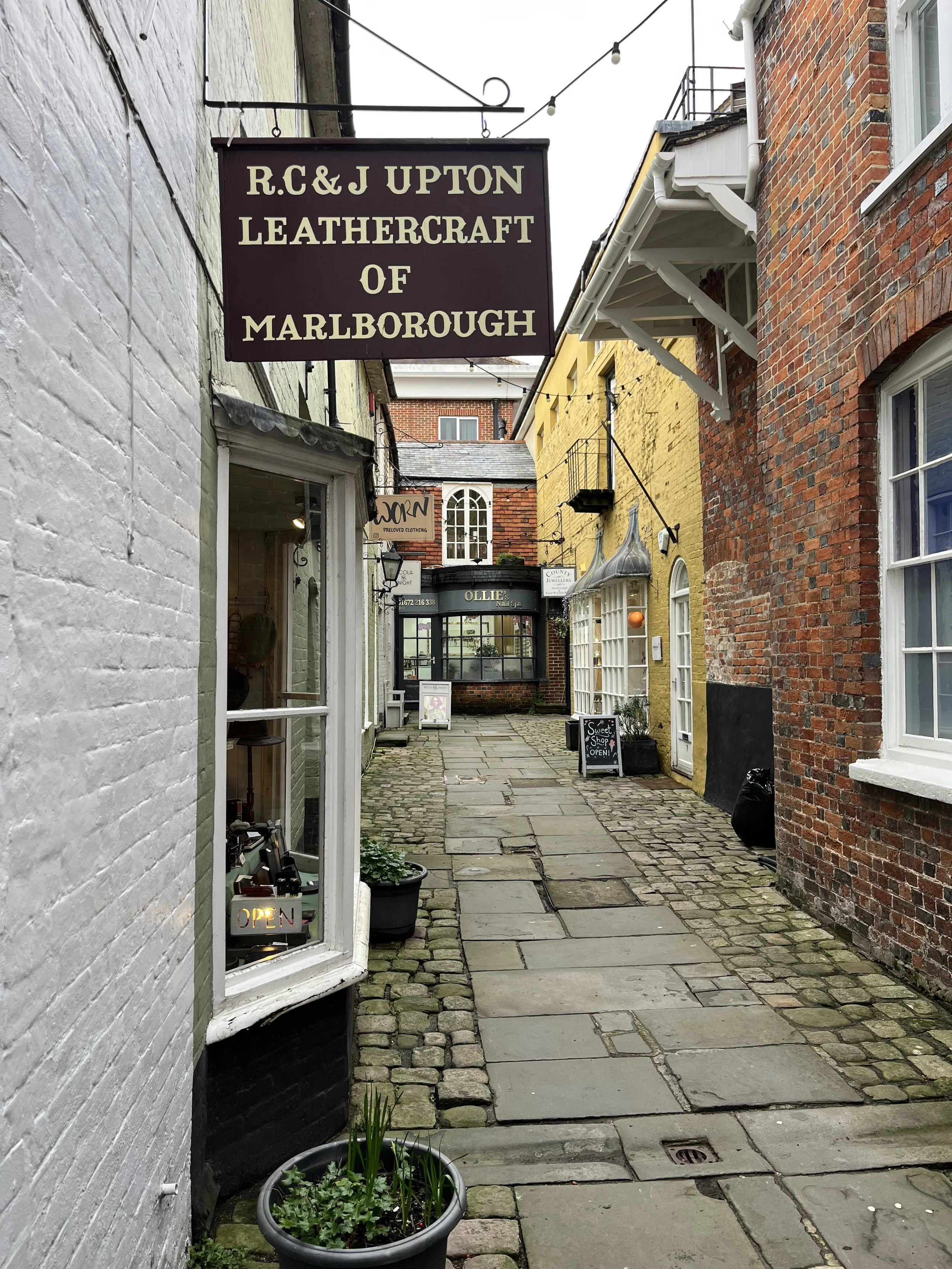
Nestled among the pale facades of Marlborough’s historic High Street sits a small leather shop that feels almost untouched by time.
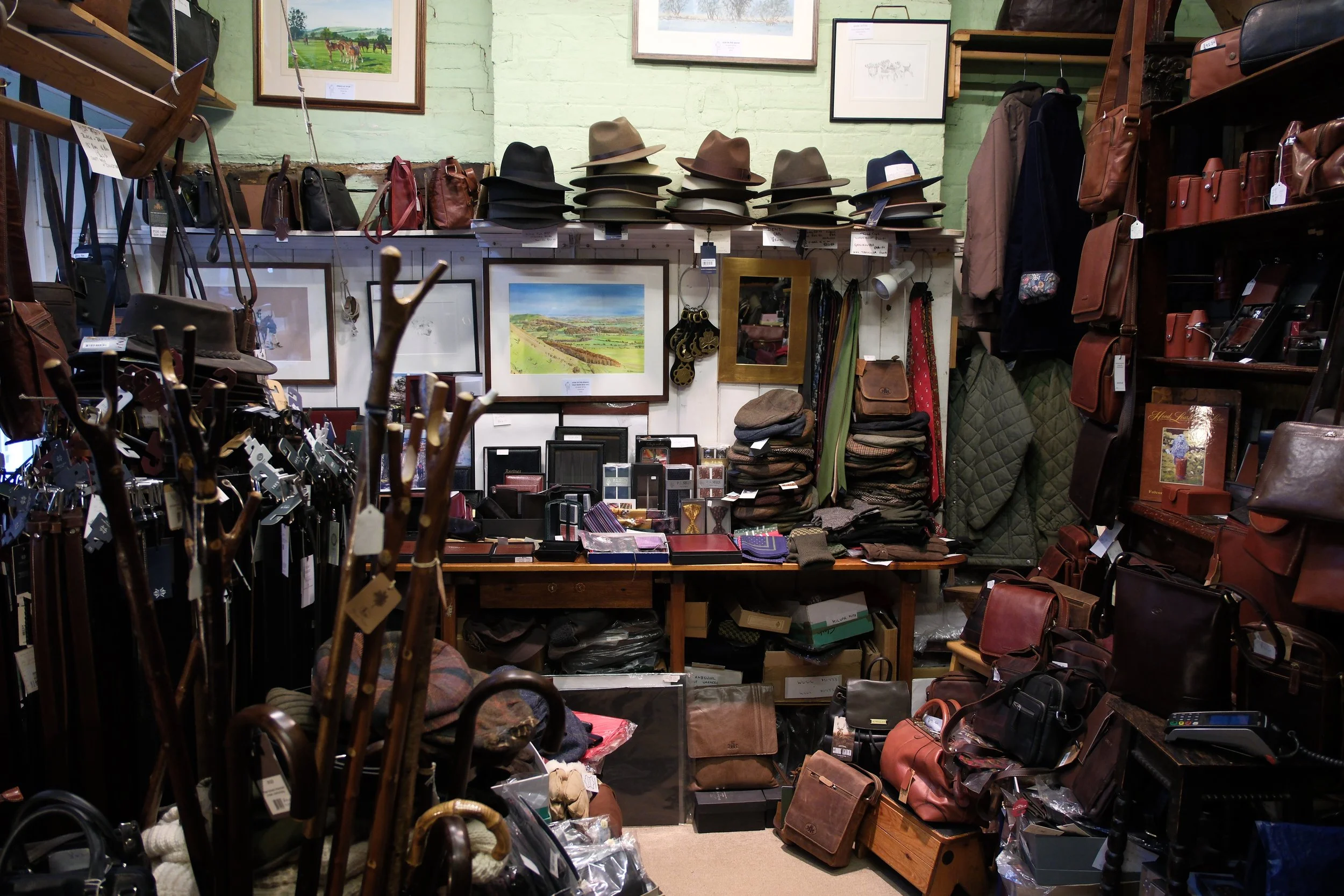
The bell above the door still rings when visitors enter. There are leathergoods everywhere and the owner, Jene Upton is sitting behind the counter, repairing leather goods.
This is Leathercraft of Marlborough. A shop that Jene Upton and her husband Roger Upton opened in 1962. She has been running the shop ever since.
Long enough to witness fashions arrive and disappear.
Long enough to watch entire industries transform.
Long enough to see people stop repairing things – and perhaps, slowly begin again.
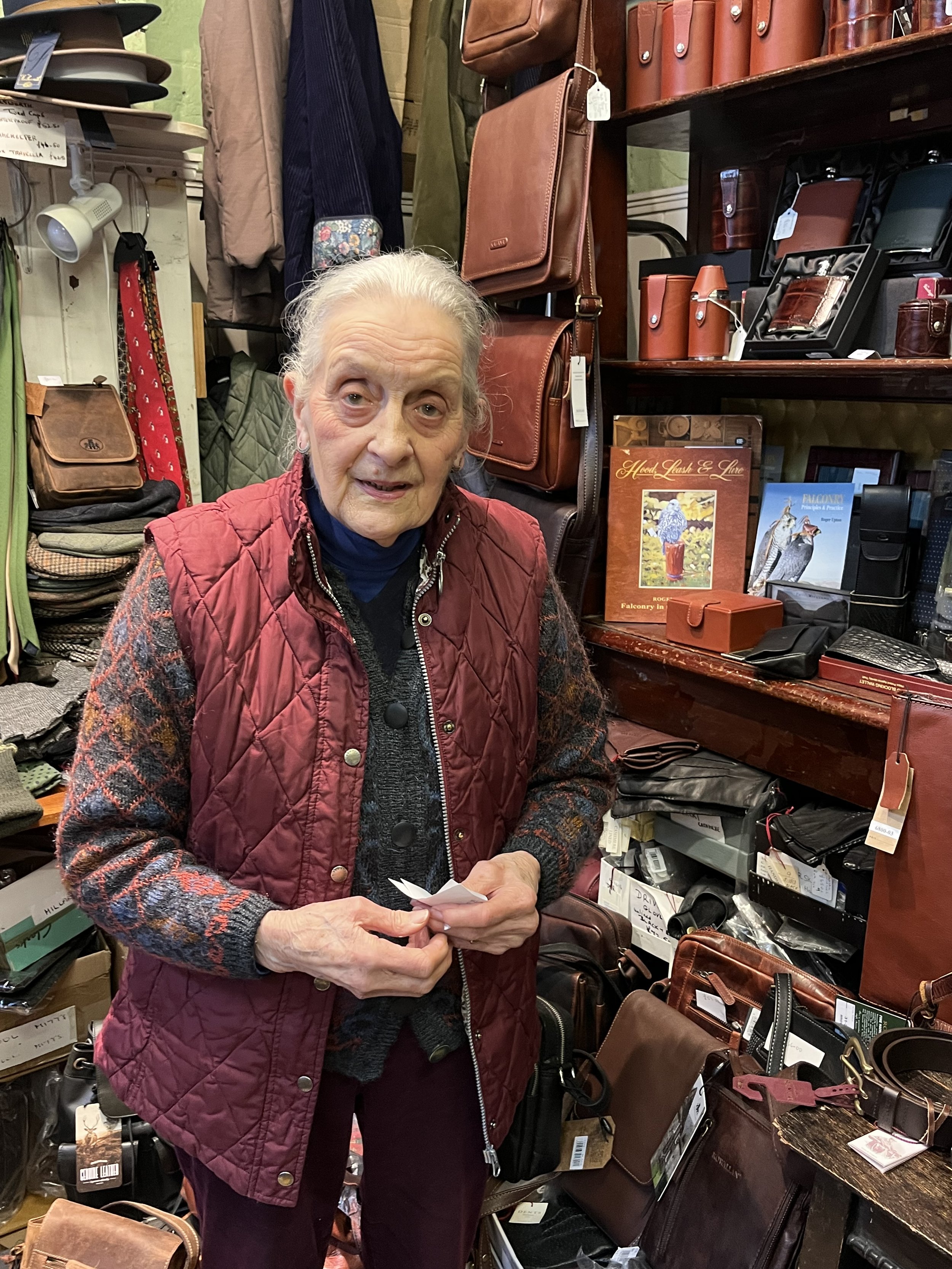
Jene Upton | Leathercraft of Marlborough, Marlborough, UK
Jene Upton herself holds the perspective of someone who has spent a lifetime making things that are designed to last.
Originally, this shop was intended to be a saddlery. Horses were a natural part of the family’s lives, and saddlery seemed a sensible direction. But the saddle trade was already well established and difficult to enter, so they gradually shifted towards leatherwork more broadly: repairs, belts, bags, straps and bespoke pieces.
Her husband had learnt from saddle makers. “He taught me my bit” Jene Upton said.
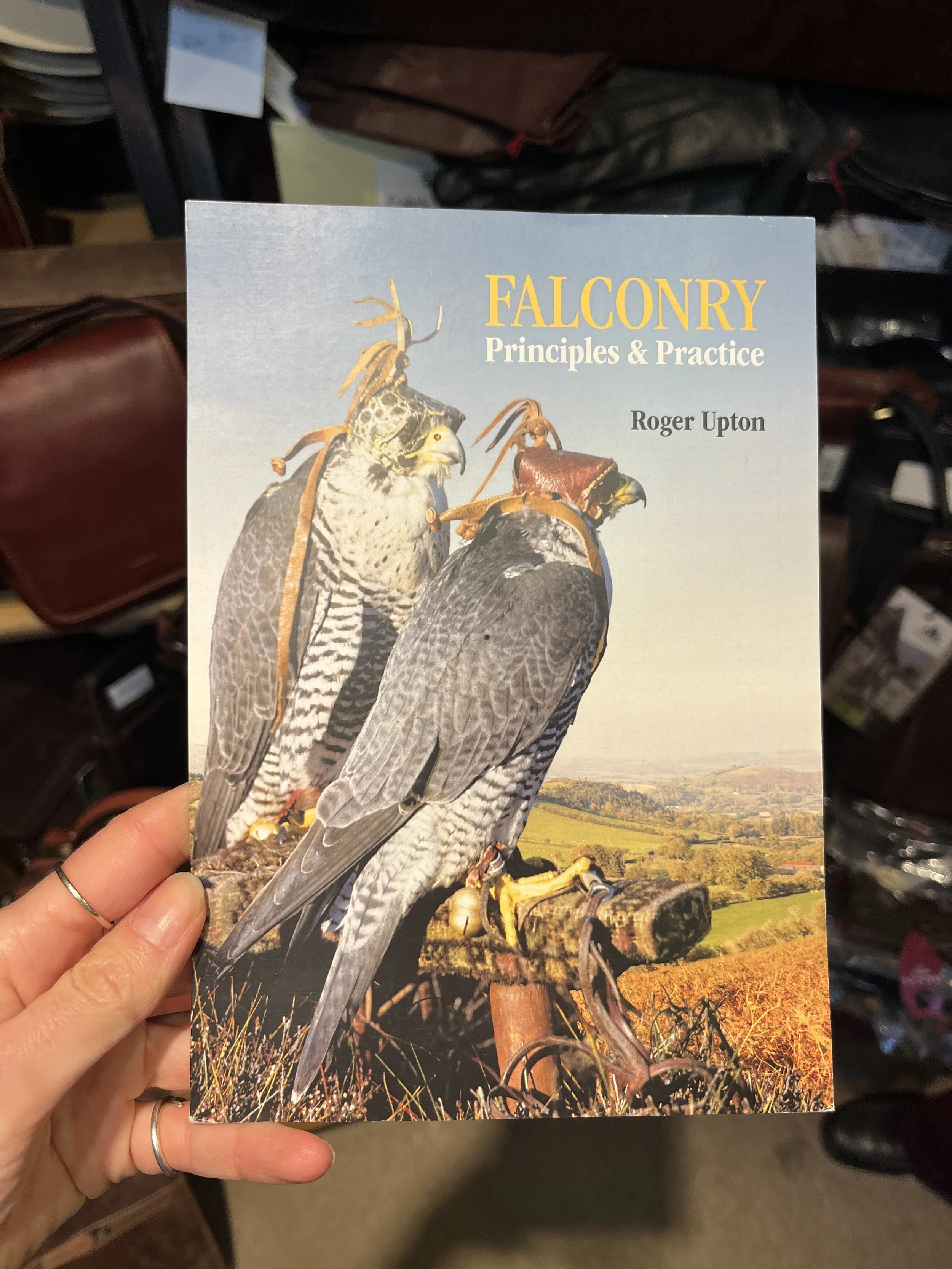
Roger Upton was not only a leatherworker. He was also a passionate falconer. He travelled frequently to the Middle East, following opportunities and adventures wherever they appeared.
“He was never a great businessman”, his wife says with a smile.
“He always tried many things but wasn’t bothered about the business thing.” There’s affection in her voice when she says this. A sense that a meaningful life and a profitable one are not always measured by the same standards. “He had a great life.”
Among the many things Roger Upton made were leather hoods for falcons – small intricate pieces crafted specifically for the birds.
Jene Upton has witnessed a great deal of change over the years of working in the leather shop.
From local people queuing at weekends to have their leather goods repaired, to the arrival of mass production, to the rise of fast fashion - the shift from repairing possessions to replacing them with cheap options that do not last very long. The increasing speed of everything.
Even though there have been many changes, it seems that people are finding their way back to repairing and craftsmanship. People are finding their way back to the old ways.
She mentions cooking. “There will always be people who order take-away every night, but more and more people seem interested in cooking again”. Making things themselves and taking pleasure in the process. She notices the same tendencies elsewhere and mentions the TV series ‘Game of Wool: Britain's Best Knitter’, hosted by Olympic gold medallist and avid knitter Tom Daley.
For a long time, efficiency seemed to be the highest value, now another desire appears to be emerging alongside it.
The desire to participate, to make, and to understand how things are made, to feel connected to the materials again.
Another aspect of this conversation lingers with me. The fact that many of the people preserving traditional crafts work quietly. Often alone. Many possess extraordinary knowledge, gathered through decades of practice. Knowledge that cannot easily be downloaded, automated or summarised.
Much of this knowledge risks disappearing because of the lack of visibility and because it is difficult to pass on. Fewer people enter these trades and employing apprentices is increasingly difficult financially. A lifetime of wisdom can vanish in a single generation.
Yet, Jene Upton does not seem particularly pessimistic. If anything, she feels observant, curious, attentive. She has witnessed enough cycles to know that culture moves in waves.
People move away from things and then they often return, with fresh eyes.
The visitors who come through her door now arrive from all over the world. Many are on their way to nearby Avebury. Some have travelled astonishing distances: South Africa, America, many from all over Europe. Places she never imagined would somehow connect to a small leather shop in Marlborough. And yet they do.
Because people are still searching for places that still feel real and authentic.
Searching for traces of continuity in a rapidly changing world.
And remembering the art of repair.